Client
Gabriela Szuba
Field
Interior Artist · Personal Brand
Scope
Voice Clone · AI Double · Content System
Year
2026
A personal brand campaign for interior artist Gabriela Szuba, built on a hyper-realistic AI double: her voice, her face and her hands, talking, teaching and selling her work around the clock.
Every interior artist sells a feeling — but only if she can be everywhere her audience is, every day, in her own voice.
Gabriela Szuba paints rooms that feel inhabited before they're finished. Her work depends on presence: an artist people can hear think, watch work, and trust with their homes. The mission was to give her a version of herself that could talk, teach and sell without ever leaving the studio — a digital double built from her real footage, not a synthetic stand-in.
Cloning a public figure who already has an audience is the hardest version of this problem. Every micro-expression, every breath before a sentence, every way she tilts her head toward a swatch of paint had to survive the ultra-close-up — the exact distance where synthetic video usually breaks.
There was no room for the uncanny valley. Not for seven seconds of it, not for one frame. The brief was binary: either viewers believe it's her, or the personal brand loses its most valuable asset — trust.
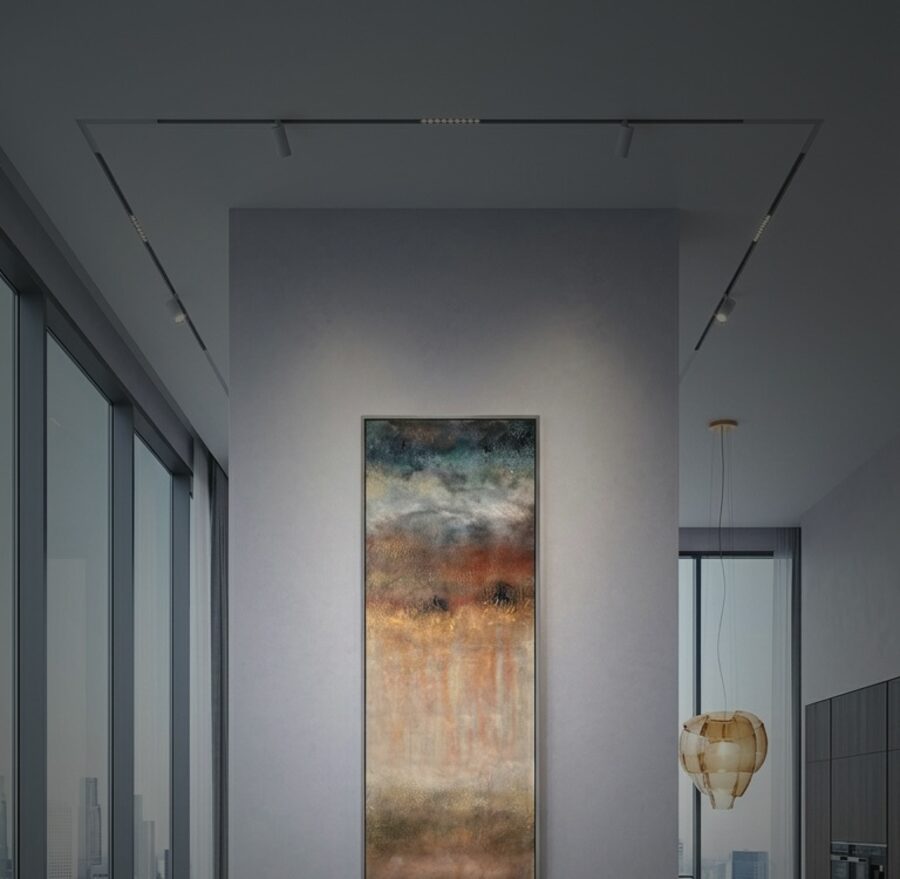
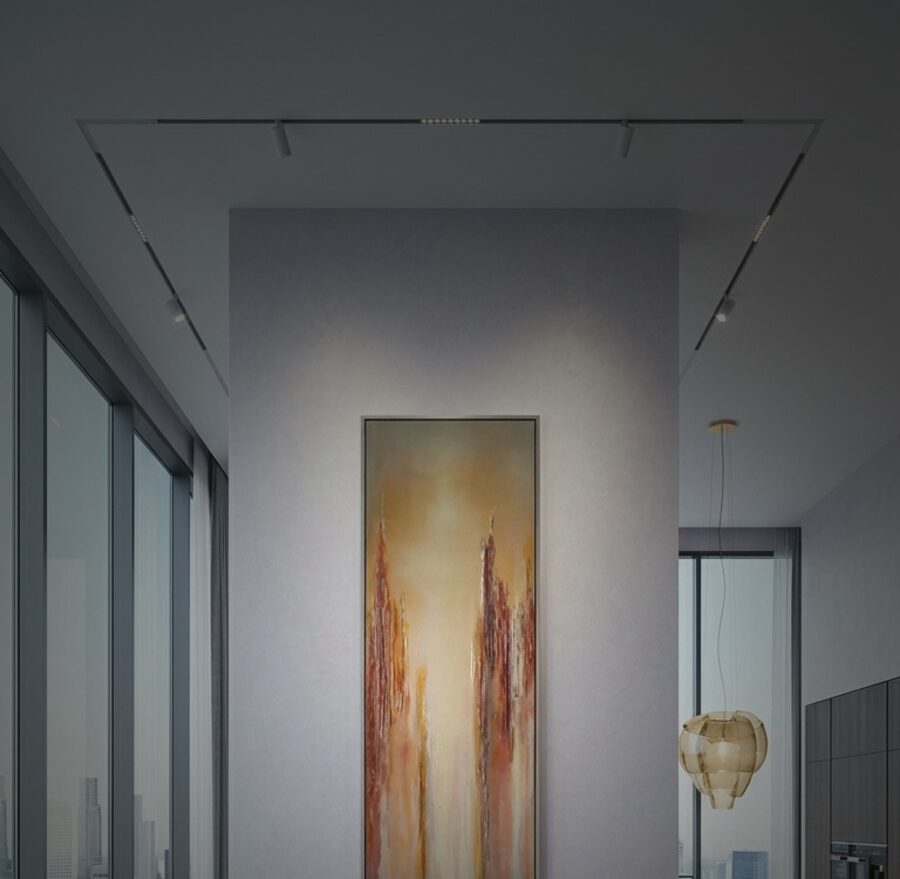
It just is her, frame by frame — the same artist, freed from the limits of a single camera and a single day.
The approach split into three layers that had to agree with each other: a cloned voice trained on hours of her real speech, a face model rebuilt for ultra-close-up honesty, and a movement layer that keeps her hands, eyes and posture doing what they would do off-camera too.
She is a real interior artist. The film exists to prove her digital double can carry that reality into every room her content reaches — a portfolio walkthrough, a course intro, a client pitch, on repeat, without asking her to sit down and record again.
The double had to hold up across every close, cut and camera move — vertical-first for the feed, without ever breaking character.
We treated the double like a performance to direct, not a filter to apply.
Every layer — voice, face, gesture, light — was built separately and then rehearsed together until the seams disappeared. The goal was never "close enough." It was footage that could sit next to her real recordings and stay invisible.
The library was built to do the hardest job first: survive the ultra-close-up. Everything else — portfolio cuts, course intros, social clips — followed from a double the camera couldn't catch out.
Still her voice.The line every viewer needed to believe
That's exactly where a hyper-realistic AI double helps. Let's give your brand a presence your calendar can't produce alone.
Start a projectМи робимо такі демо і впроваджуємо під ваш процес — залиште заявку, відповімо швидко.