Pathway biology
What mTOR actually does in skin
A grounded explainer on nutrient sensing, autophagy and why researchers connect the pathway to visible aging.
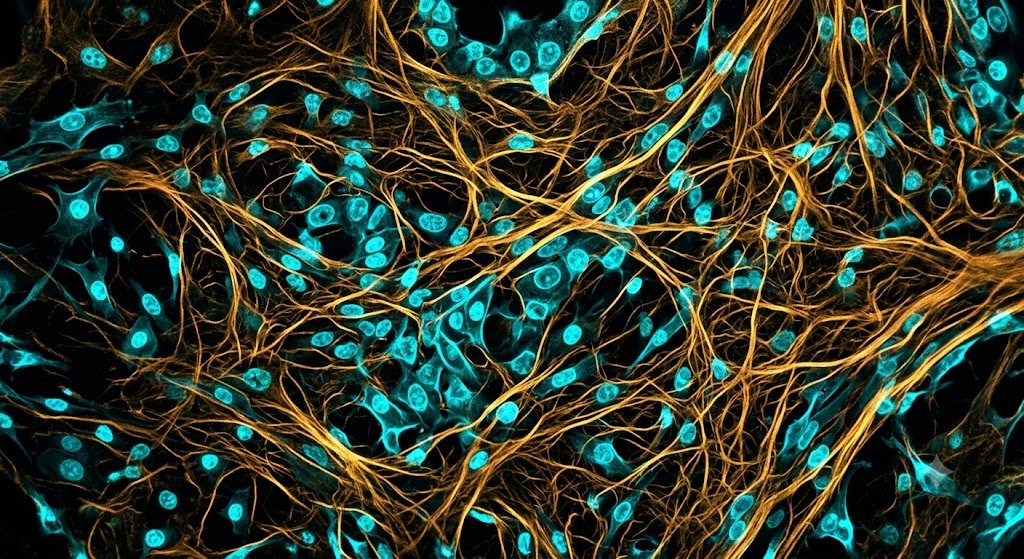
Aevum studies how skin cells age — cellular senescence, the mTOR pathway, and the topical agents that may influence them. We publish what the evidence supports, and formulate only from it.
The reading and the buying stay separate — as they should. One layer is for understanding the science; the other is for the formulations that follow from it.
Reviews of the published literature on skin aging, senescence and cosmetic actives — written soberly, sourced carefully, and free of sales language.
Read the library →A small line of considered topical formulations, described by mechanism and ingredient. No cart, no checkout — inquiries are handled directly.
See formulations →Skin aging is not a single event but a sequence of cellular changes. Understanding the sequence is what separates a credible claim from a hopeful one.
With age and UV exposure, some skin cells stop dividing yet remain metabolically active, releasing signals that degrade the surrounding tissue. Their build-up is a recognised hallmark of aging.
mTOR (mechanistic target of rapamycin) governs cell growth and nutrient sensing. In research models, dialling it down is associated with slower cellular aging — which is why mTOR modulation is studied so closely.
A range of cosmetic actives — from rapalog-class molecules to established antioxidants and retinoids — are studied for their effect on skin at the surface. The evidence is developing; we report it as such.
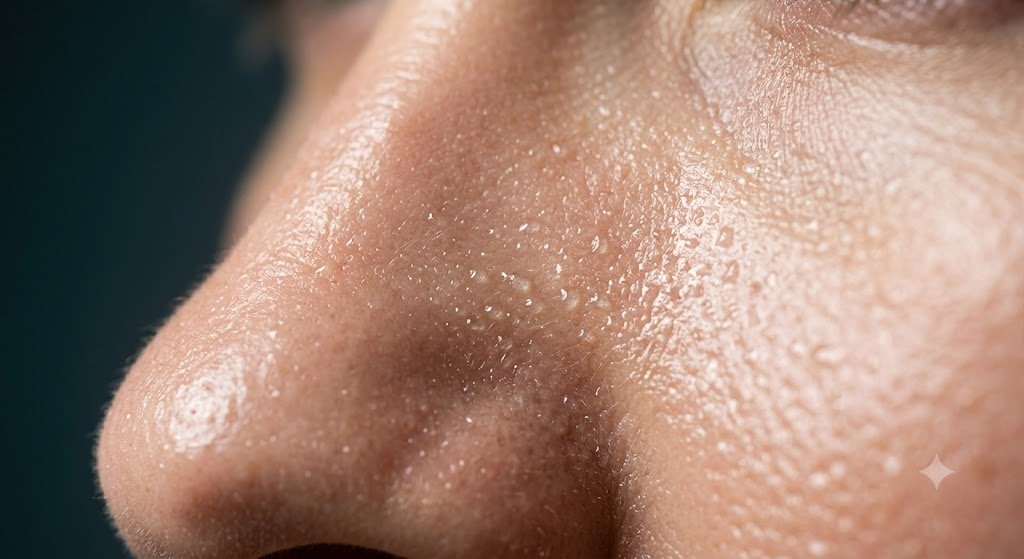
Plain-language reviews of the evidence. Each piece cites its sources and states clearly what remains uncertain.
A grounded explainer on nutrient sensing, autophagy and why researchers connect the pathway to visible aging.
What the current literature does — and does not — support about rapamycin-class molecules applied topically.
The "zombie cell" idea without the hype: what senescent cells are, and why clearing or quieting them is studied.
A deliberately short line. Each formulation is described by what it contains and how it is thought to work — no exaggerated promises.
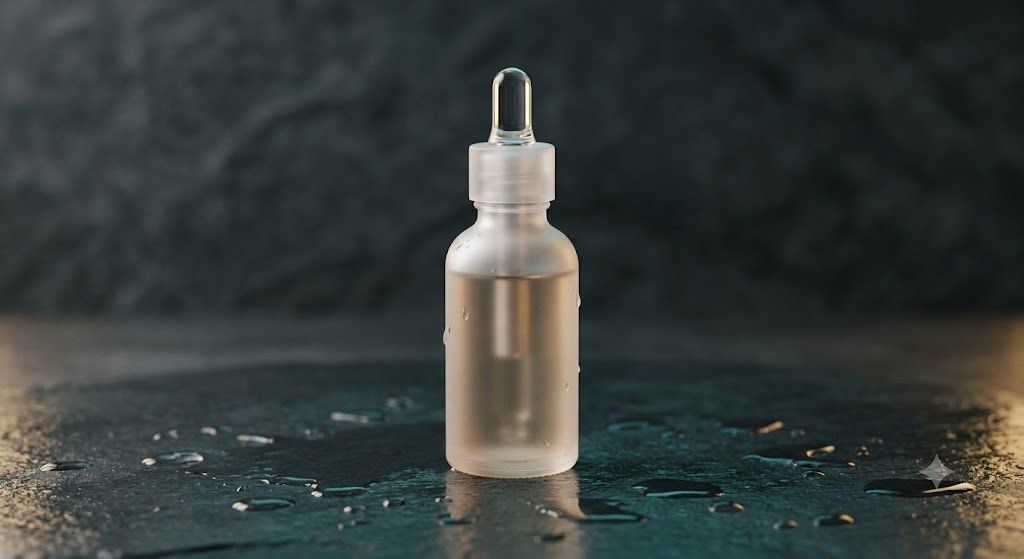
No cart and no online checkout. Availability and pricing are confirmed by direct inquiry.
Request access
"We would rather publish a smaller, honest claim than a large one we cannot stand behind."
Every statement about a mechanism or active is tied to published research, and uncertainty is named rather than hidden.
Our work concerns topical skincare. We make no medical or disease claims, and we say so throughout.
Editorial research and product pages are kept apart, so reading is never dressed up as selling.
Questions about the research, a formulation, or working together — write to us and a researcher will reply.
We build demos like this and wire them into your workflow — leave a request, we'll get back quickly.